






The Danger is Just Around the Corner
Whenever someone thinks of a thief or Big Tech executives, they are always a world away in some fancy office, or hiding in a dark corner or alleyway that we can avoid.
That is usually not the reality.
Modern thieves sit in the same places you get your coffee, where you check out your books, or even where you hang out with friends for a drink.
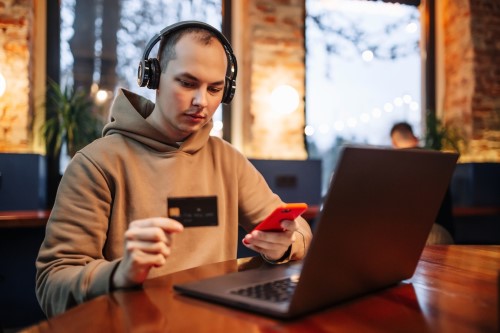
They are the young kid with a laptop on a train, the University student in the cafe working on their assignment, or a sharp-dressed business person who just happens to be closer than they should be in order to Bluejack your device.

Why do Faraday Bags Help?
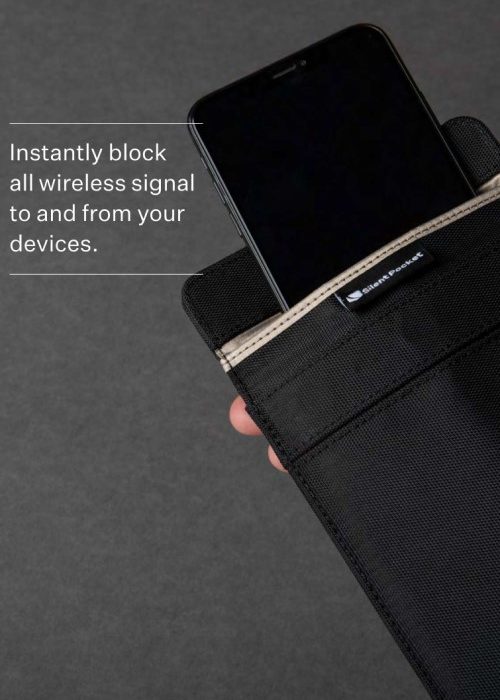
Whenever anyone in law enforcement or the military wants to ensure their data is safe from cyberattacks or to preserve evidence, they put it inside a Faraday bag.
We may think our phones do not carry that much important data, but is that really the case?
Inside each of our mobile devices are endless photos of friends, family, and loved ones.
There are data logs of bank transactions and messages with other people that can be tracked, analyzed, and used against us in all kinds of ways.
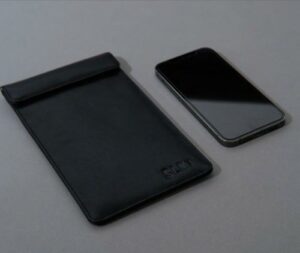
The best way to protect our privacy is to stop any kind of signal from entering our device, and Faraday Bags get the job done.

Great Bug-Out Bags
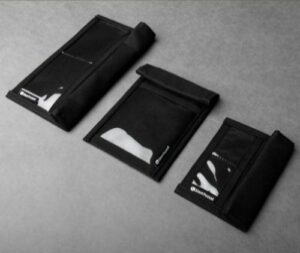
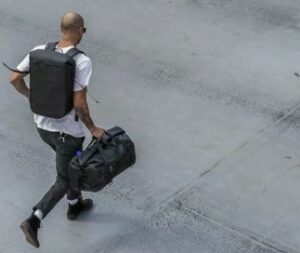
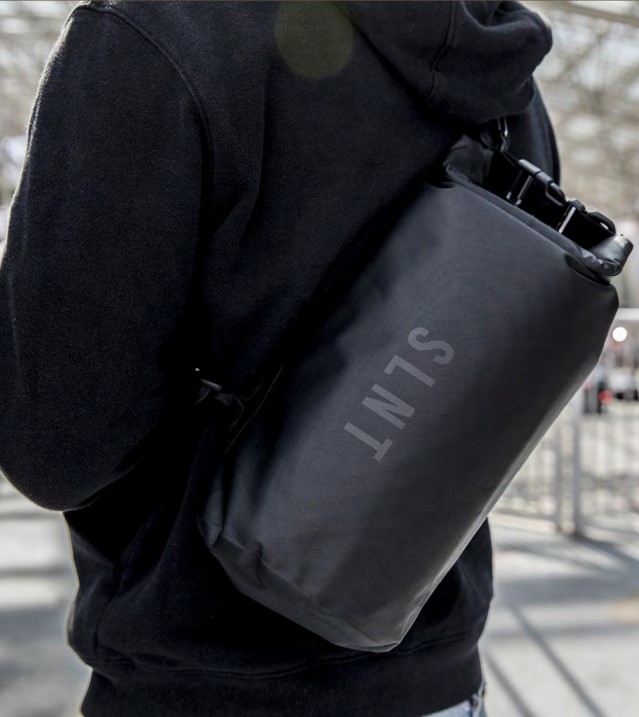
Faraday bags are made from stronger materials and fabrics than most other items you would find in a big-box store. They provide an excellent resource for bug-out bags when you want protection from government agencies and potential EMP weapons. This way, you can have your essential data, documents, and equipment protected in case the worst were to happen.

Protect Your Loved Ones
Even if you think there is nothing of value in your device, that does not mean thieves and Big Tech cannot get to your friends and family who may have essential data on their phones, laptops, and drives. Using a Faraday Bag shuts down the tracking network and helps plug a hole in the shield around the people you care for the most.
Prevents Car Thieves
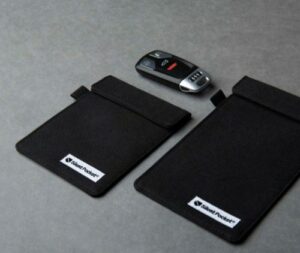
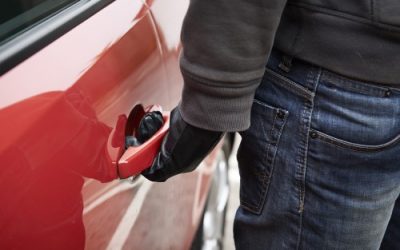
Modern vehicles use electric key fobs to unlock, open doors, and turn on engines. These key fobs can be electronically duplicated using a small device that only has to be within a certain range of your keys. That means a thief only needs to ride next to you on the elevator to then and take your new car for a joy ride. Placing your key fob in a Faraday pouch prevents this activity from happening.

Simple Peace of Mind
A Faraday bag removes a stressor from your life. When you want those rare afternoon moments to yourself where no one can bug you, simply drop your phone into your Faraday bag. This removes the temptation of checking social media or having to deal with endless phone calls because it stops the signals dead in their tracks.